Wednesday, April 1, 2015

Religion and Origins


Madagascar has a wide range of religious beliefs. According to the article “Traditional Beliefs and Religion in Madagascar,” 55 percent of the population holds the traditional beliefs of the nation, 40 percent are Christian, and the other 5 percent are Muslim. Each of these religious beliefs is very different from each other.

The majority of the people that live in Madagascar hold the traditional beliefs that their ancestors believed in. They believe in a creator, but it is not the same one as in Christianity or Islam. The god in this religion is known as Zanahary or Andriamanitra. These traditional beliefs place an emphasis on the living and the dead having close ties to each other. They believe the dead can speak to the supreme god on behalf of the living. They also believe that their ancestors known as razana are the source of life. These people also think that if the dead is offended bad things will happen to them.

Christianity is the second largest religion of this country. The Christian religion is split between Protestantism and Roman Catholicism. These two divisions of the Christian church are divided almost equally. The Catholic Church is more common among the Bestileo people and the Protestant Church is found more among the Merina people. After Queen Ranavalona died Protestantism was adopted by the royal family and is seen more within the upper class of Madagascar.

The other main religion found on the island of Madagascar is Islam. There are followers of both variants of Islam found here. They make up about 5 percent of the total population. There is also a small amount of Hindus that live in Madagascar.


The majority of the religion found here has not changed from the original beliefs that the nation’s ancestors practiced. Christians were discriminated by the Queen Ranavalona and after her death received less discrimination. Islam does not seem to have had a strong impact on this country because only 5 percent of the population practices the religion. The indigenous people most likely held the traditional beliefs of the nation. Most myths found in Africa seem to be related to their religious beliefs.


http://www.mythencyclopedia.com/A-Am/African-Mythology.html
http://www.wildmadagascar.org/overview/loc/28-beliefs.html

Thursday, March 26, 2015

Malagasy Art


Art and music from a particular nation can tell someone a lot 
about the culture of the country. It can also  help someone 
learn a lot about the history of the nation as well. Madagascar is known for it's textiles, which include raffia, cotton, and silk. Merchants from other countries would come to Madagascar to trade for these textiles. 

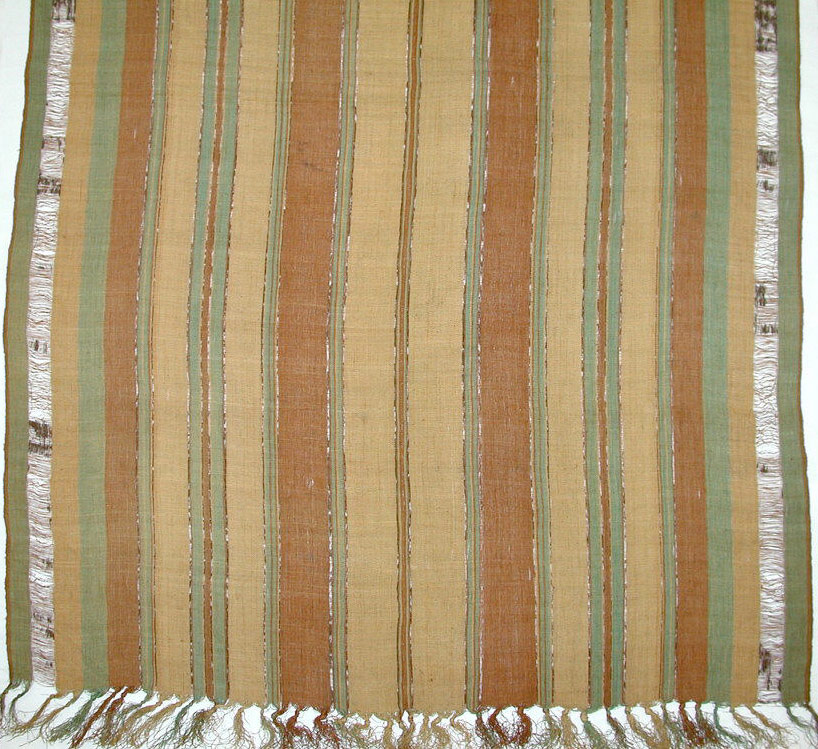
The people of Madagascar use these textiles to make art. They would use the leaves of a raffia tree, which is a type of palm tree found in Madagascar and other parts of Africa, to make textile art. They would use this material to hand weave fabrics. This picture is an example of a raffia wrapper. This could be used for clothing and sometimes as a mosquito net. 

Another type of art that is found in Madagascar is 
known as akotifahana, which is made from silk. This 
fabric is made with bright colors and beautiful 
patterns. They make akotifahana by hand weaving 
silk. Akotifahana is usually worn by nobles, or kings 
and queens. 
                                         

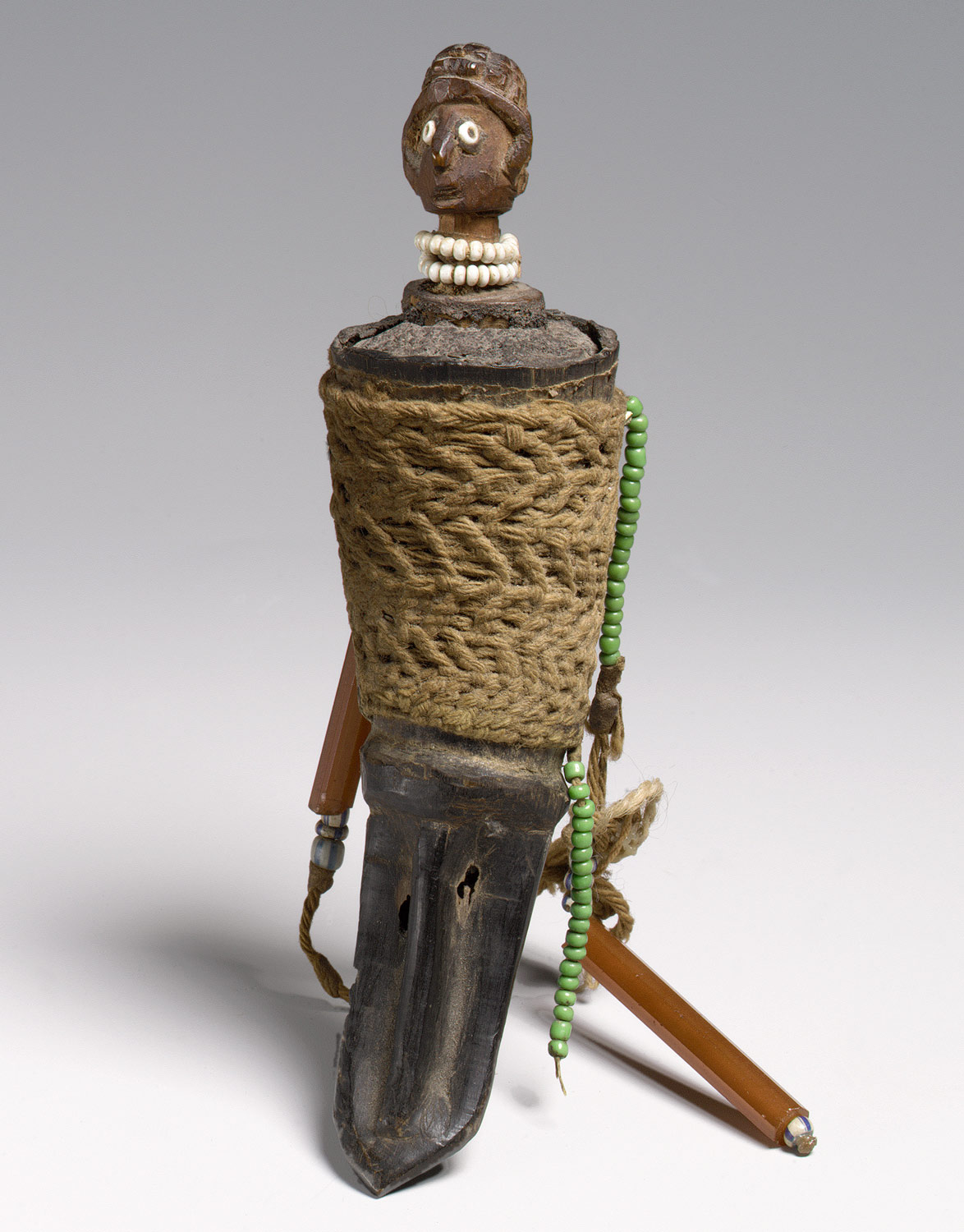
The people of southwestern Madagascar would wear amulets called Ody because they believed they would keep them healthy and safe. They were made from the horns of the zebu cattle. The Sakalava people were often cattle thieves and believed that these odys would keep the man from being seen while he was stealing the cattle. Stealing cattle was seen as a sign of masculinity for the Sakalava people. 


http://www.rom.on.ca/en/collections-research/research/the-handweaving-arts-of-madagascar
http://www.metmuseum.org/toah/works-of-art/1999.47.114

Friday, March 20, 2015

Geography of Madagascar

Madagascar is a country located off the coast of Africa. It is the fourth largest island in the world. The 

island is  found to the east of the African continent and is surrounded by the Indian Ocean and the 

Mozambique Channel. The largest city on the island is Antananarivo and is also the nation's capital 

(18.9333°, 47.5167°). This has been the largest populated area since the 1700s. Another major city is Toamasina and is Madagascar's second largest city(18.1500°, 49.4167°). There are two seasons that occur throughout the year in Madagascar. One of the seasons in hot and rainy from November until April and the other part of the year is cool and dry from May until October. The east coast receives the most rain during the rainy season. The rain causes the eastern part of the island to be very humid and creates weather conditions that can cause cyclones. The humidity in this area has also caused a tropical fever endemic. So in this region of the country disease is a result of the humidity.The central part of the island has higher elevations which causes less rainfall. The western part of the island does not receive much rain during this season. The dry season has much nicer weather. Part of Madagascar includes a rainforest just off the coast. Many different geographical features can be found on the island of Madagascar. Located in the Tsaratanana Massif are mountains that were at one time active volcanoes. 

In the northern part of the island are beautiful beaches that many tourists like to visit. The Betsiboka 

River is located in central Madagascar and runs into the Mozambique Channel. Most of the central part 

of the island is filled with highlands. In the southern part of the country are a set of mountains known as 

the Ivakoany Massif and the Isala Roiniforme Massif. There are also deserts located in this region of the 

country. The people groups of Madagascar are more involved in fishing, trading, and raising cattle than 

farming. The beaches and mountainous features of the island do not leave many places for farming. The 

Sakalaka ethnic group are known for agricultural fishing and raising cattle. The island is  

called the "Great Red Island" because of its red soils, which are not good for agriculture. Since 

Madagascar is an island it makes it easy to  use ships to trade nearby countries, but can be threatened by 

invaders.